We all know by now that refined sugar is bad for us. It has been linked to a variety of health problems such as high cholesterol, diabetes , and obesity. As a result, many of us are trying (emphasis on trying) to cut down on our intake of pops, chocolate bars, candy, and other sugary products. Although we try to avoid sweets as much as possible, human beings have a natural craving for sweetness that is present even when we are inside the womb. Due to this innate craving, we have discovered a variety of supposedly healthier sugar alternatives. However, not all of these substitutes are good for you, including a popular sweetener called xylitol, which is found in many “healthy, sugar-free” food products.
What is Xylitol?
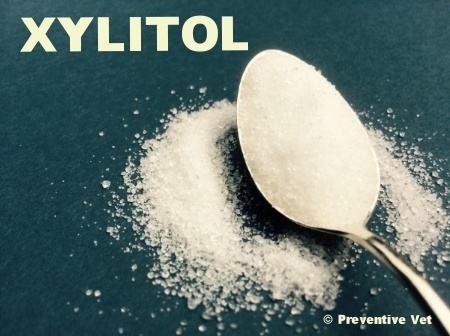
Xylitol is a crystalline alcohol that is a derivative of xylose, a naturally occurring sugar that is found in birch bark.
Although xylose does not go through the same refining process that typical white sugar does, this doesn’t make its derivative (xylitol), which is what we would actually be putting into our mouths, automatically fit for human digestion.
In fact, in order to derive xylitol from xylose, it has to go through the process of hydrogenation, the same process which heavily refined food products such as cakes, cookies, and fried foods go through.
Xylitol is found in a variety of “sugar-free” products that are said to be healthier than their alternatives. These include protein bars, chewable vitamins, peanut butter and more. There are also many xylitol containing products that are marketed towards kids such as chewing gum, IceBreaker candies and more.
Side Effects of Xylitol
Xylitol has been known to cause a variety of digestion problems as it is not easily metabolized by the body. Instead of being utilized as nutrients by the body, it passes through the digestive tract and reacts to the various chemicals and enzymes produced by your body’s organs.
This leads to the digestive complications that have been known to accompany the consumption of xylitol including diarrhea, gas and bloating.
Although the digestive problems caused by xylitol are more of a nuisance than a health risk, the danger associated with it is mainly caused by the marketing plans commonly used to promote it. Many of the brands that use xylitol in their products take advantage of the fact that it is technically “sugar-free” and claim that it is a good sweetener for diabetics when in reality this couldn’t be further from the truth.
Although xylitol may contain fewer calories than refined sugar, this doesn’t mean it is a good alternative for people with diabetes. Since xylitol is a sugar alcohol, it actually raises blood sugar levels more than typical refined sugar.
One study published in the Journal of Clinical Biochemistry and Nutrition found that consumption of xylitol increases lipogenesis, which is the conversion of sugar alcohols (such as xylitol) into fatty acids. These fatty acids then get stored away as body fat instead of burnt off throughout the day. This makes xylitol dangerous for those who have high cholesterol and are struggling with being overweight or obese.
Monk Fruit as a Sweetener
Although xylitol isn’t the optimal choice for a sugar-alternative, there are plenty of healthy sweeteners that can actually benefit people with diabetes or who are trying to lose weight. One of these is the extract of the monk fruit.
The monk fruit, otherwise known as luo han guo, is native to southern China and is commonly used both as a sweetener and a medicine.
Since the extract of monk fruit is 150 times sweeter than sucrose, a lot of diabetics tend to look past this sweetener. However, several studies have shown hypoglycemic effects caused by consumption of monk fruit extract, meaning that it can actually help lower your blood sugar.
One study which was conducted on rats found that giving them an extract of monk fruit helped inhibit an increase of blood sugar when they were given a different kind of sweetener only three minutes prior. This means that not only does monk fruit not raise blood sugar, but it can also help lower your blood sugar when you eat other sweeteners.
Several studies on mice also showed that monk fruit extract has possible anti-carcinogenic properties. All of the studies were conducted on the extract’s effect on skin cancer, and all studies found that it both slowed down the spread of cancer and inhibited tumor growth.
Although many products claim to be “sugar-free” or “diabetic friendly”, a lot of these can actually be worse for your health than commercial, refined sugar. Always make sure to check the packaging or nutritional information to find out exactly what sweetener the product you’re eating is using.
For more healthy sugar-alternatives, click here.
References:
http://www.merriam-webster.com/dictionary/xylitol
http://www.merriam-webster.com/dictionary/xylose?show=0&t=1412909936
http://www.webmd.com/vitamins-supplements/ingredientmono-996-xylitol.aspx?activeingredientid=996
http://www.webmd.com/food-recipes/health-effects-of-sugar?page=2
http://www.dichep.unige.it/old_site/Italiano/ricerca/pub_biotec_av/1999/1999_12.pdf
http://chemistry.elmhurst.edu/vchembook/558hydrogenation.html
http://www.ncbi.nlm.nih.gov/pmc/articles/PMC3128359/
http://www.drugs.com/npp/luo-han-guo.html
Image Sources
http://www.wikihow.com/images/f/f3/Lose-Belly-Fat-Step-17-Version-2.jpg
http://mindly.org/Content/images/Lose%20Belly%20Fat%20in%202%20Weeks%20Step%206.jpg