Respiratory congestion has become an epidemic in the United States. Millions of people have to deal with either a cold or a flu multiple times a year, and almost 25 million Americans have been diagnosed with asthma, with almost 7 million of those being children. Between 2001 and 2011 alone the number of people with asthma increased by 28%.
Treatment and medicine for lung congestion can cost billions of dollars. In 2007, the total amount of money the United States spent combating asthma was $56 billion. This is mainly due to the fact that most medications meant to make breathing easier are incredibly expensive to produce. Despite this, the government still spends billions of dollars on making pharmaceutical medications when there is an inexpensive alternative that relieves congestion naturally.
What Causes Congestion?

Congestion of the respiratory system can be caused by a variety of different diseases and factors. Common sicknesses such as the cold and flu can cause chest congestion, as well as conditions such as bronchitis and asthma. Inhaling certain particles such as smoke or dust can also cause congestion.
Although there can be a variety of different ailments and factors that cause congestion, it is generally caused by inflammation. The sources of congestion that I previously mentioned are what cause this inflammation. For example:
Bronchitis is the inflammation of the bronchial tubes, otherwise known as the large airways. Bronchitis is generally caused by infections or allergic reactions, however it can become chronic if it does not go away with the infection or reaction.
Asthma is similar to bronchitis in terms of symptoms, except asthma is often accompanied by a thick mucus that further blocks airways, but is able to be coughed out. Asthma is also generally chronic and not caused by outside factors, as opposed to bronchitis, and is incurable.
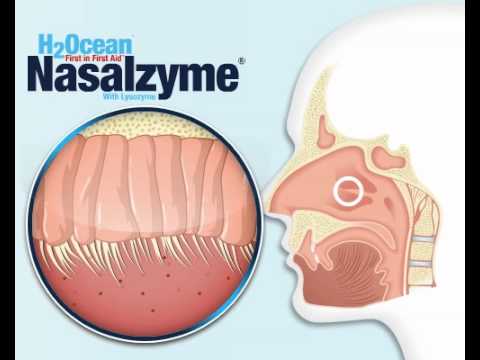
Cold, flu and certain particles can cause inflammation by irritating your mucus membrane and causing it to become inflamed. This causes an increased production of mucus. Normally, the cilia in your respiratory system would naturally remove the mucus for you, however when they become irritated they also become inactive and are unable to transport the increased amount of mucus for you. This is what causes congestion and the need for you to manually cough out the mucus.
Health Benefits of Eucalyptus Oil (For Congestion)

Oil of the eucalyptus leaf has been used medicinally for many years. Specifically, it has been widely used to treat ailments that effect the respiratory tract such as whooping cough, respiratory tract infections and asthma. Its main benefit, when it comes to this type of treatment, comes from its anti-inflammatory properties.
The anti-inflammatory properties of eucalyptus oil come from eucalyptol, an organic compound that is found in eucalyptus. One study found that people who have bronchial asthma (a combination of bronchitis and asthma) greatly benefited from taking 200 mg capsules of eucalyptol. According to the study, patients who took the eucalyptol extract for 12 weeks experienced a significant reduction if bronchial asthma symptoms, which researchers attributed to the anti-inflammatory activity of eurcalyptol.
Another study found that inhaling eucalyptus oil caused a significant reduction in pain, swelling and inflammation. Since inhaling eucalyptus oil causes it to go directly to your lungs, is safer than ingesting it and provides pain reduction, this is the optimal method for treating congestion.
How To Make An Inhaler For Eucalyptus Oil

I got these instructions from DIY Natural
Supplies and Ingredients:
- One clear lip balm tube
- Cotton quilt scraps or other cotton material
- Scissors
- 5 drops of eucalyptus essential oil
- Chopstick or skewer
Instructions:
- Cut cotton fabric into strips about 3 inches long and a quarter inch wide.
- Place 2-3 pieces of the fabric inside of the tube and push them to the bottom using your chopstick or skewer.
- Add essential oil.
- Place more cotton fabric on top and push it down with chopstick or skewer.
- Place cap back on.
How to Use:
- Remove cap and place open end at the opening of your nostril.
- Inhale.
- Do the same for other nostril.
You can use the same container every time you do this, however you should replace the essential oil and cotton in it every once in a while. Let us know how this helped with your congestion in the comment section.
References:
http://www.cdc.gov/nchs/fastats/asthma.htm
http://www.nhlbi.nih.gov/about/documents/factbook/2012/chapter4
http://www.webmd.com/asthma/guide/asthma-control-with-anti-inflammatory-drugs
http://www.ncbi.nlm.nih.gov/pubmed/23853660
https://www.nlm.nih.gov/medlineplus/druginfo/natural/700.html
http://www.ncbi.nlm.nih.gov/pmc/articles/PMC3842692/
http://www.everydayhealth.com/asthma/bronchitis-or-asthma.aspx
http://www.nhlbi.nih.gov/health/health-topics/topics/asthma
http://www.aafa.org/page/cost-of-asthma-on-society.aspx
http://www.mucinex.com/symptom-education/chest-congestion/
http://www.ncbi.nlm.nih.gov/pubmed/12645832
http://www.diynatural.com/homemade-inhaler-diy/
Image Source:
http://respiratorysystem.organsofthebody.com/images/respiratory-system.jpg
https://www.organicfacts.net/wp-content/uploads/2014/01/Eucalyptus-Oil.jpg
http://www.diynatural.com/wp-content/uploads/Homemade-Inhaler-DIY-1-660×442.jpg
https://i.ytimg.com/vi/g7YyH88F2KU/hqdefault.jpg