
We’ve all been somewhere and realized we forgot our charging cable. The phone is losing steam and the red low battery sign shows up along with a notice that the phone is at 20% battery. Strangely, a mild sort of panic sets in that we need to charge the phone. Then it goes down to 16%, then 10% and another notification shows up. We start asking our friends, “do you have a charger I can borrow?” They all say no because either they don’t want to share with you or they, too, forgot their lifeline to their phone.
So you ask around. You ask the lady at the front desk of your hotel. Or you pop into a bar and ask if they have any extra charging cables lying around that you could borrow. Or you go into a coffee shop and find some generous soul is offering a free charging cable so you plug your phone in.
Here’s the thing: you’ve got to stop doing that – you’re opening yourself up to major risk. Especially if you’re using public ports.
USB Charging Cable
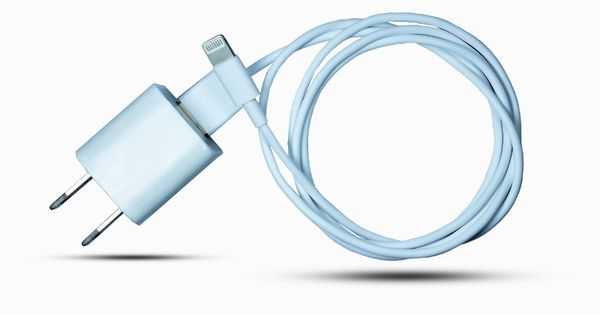
USB cords can be modified and infected with malware, or allow an attacker access to your device. At the Annual DEF CON Hacking Conference in Las Vegas, an online hacker who uses the name MG, demonstrated how he manufactured USB charging cables that looked like legitimate Apple cables. Nobody can tell the difference, not even the computer, he told Motherboard. That is, of course, until an attacker takes control of the cable cord. Through the cord, an attacker could open up a terminal on the computer and run all kinds of tools and programs. (1)
Consumers should be careful when purchasing cords or when receiving cords as free swag. It’s tempting to accept, but it may put the consumer at risk.
Public USB Charging Ports
Public ports are also subject to malware and malicious attacks. Our devices have notified us for a few years now that public, unsecured WIFI connections opens us up to an attack, but public charging ports or stations can also leave us vulnerable. Kapersky Lab reminds us that USB cords charge devices as well as transfer data. Through a USB port, someone can install malware on a device and infect it, steal files, and access private information. (2)
Through a system of commands called AT commands, the phone number and contacts can be exposed to an attacker. They can download the information from your SIM card, call anyone using your phone number and you’ll pay for it, and install applications to your device, including malicious apps. (2)
The problem with public charging ports is that there’s no way to know what’s on the other side of it. It could collect data about anything that connects to it, it could install a backdoor to the device, or steal files. The electrical outlet itself isn’t altered, but the actual USB port. Places like coffee places and airports or bus stations often have free and public charging stations, but consumers should exercise caution in using them.
Bottom Line: How To Protect Yourself
- Don’t use strangers’ charging cables. Carry extras with you and store them in your car, purse or bag, desk, etc.
- Don’t use public charging ports. It’s tempting to avoid carrying a charger base and save room with only the cable, but public ports in airports, hotels, coffee shops could be compromised.
- You get what you pay for, so pay for the real thing. Don’t purchase off-brand, weird cables from unverified sources. Who knows who may have altered the cord?


