
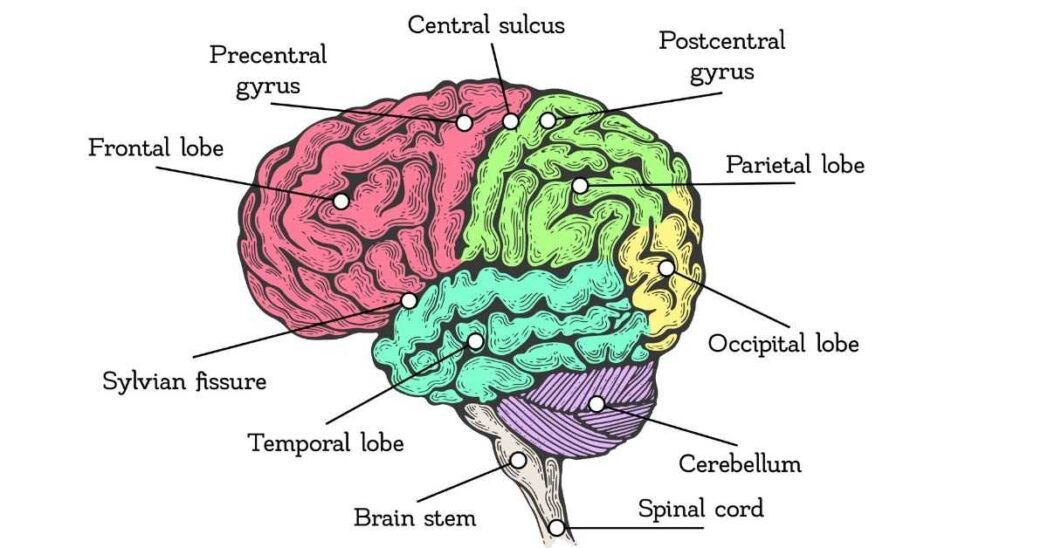
Negative childhood experiences prime our brains to feel danger and fear. Trauma or ‘toxic stress’ as Harvard calls it, in early childhood actually shapes the brain. (1)
Experiences Affect How Brains Develop
Children inherit genes from their parents. Experiences leave a chemical signature called an epigenome on those genes that affects how genes become expressed. In early development, the brain is especially malleable by experiences and environments. Those experiences literally build children’s brains pathway by pathway. Harvard says that those experiences create signals between neurons, which produces a protein. Those proteins head to the center of the cell where they attract or repel enzymes, which can attach them to the gene. Positive or negative experiences, like malnutrition, toxins, or trauma, can shape how those genes are expressed in brain cells. (2)
High amounts of stress change the brain’s framework and the way it develops. If children experience chronic neglect, abuse, or violence without a protective adult in the picture, gene modification occurs. These changes lead to a chronic stress response in the body, which affects how well we then respond to stress as adults. Research has found that highly stressful experiences in children create a greater risk for mental illnesses later in life, including anxiety depression. (2)
Brains Do Not Forget Trauma
The body does not forget trauma. The brain makes those experiences part of its structure and through the epigenome. The affected genes carry those experiences almost like a biological memory. This memory is something that affects other systems of the body and sets the child up for learning and behavior problems and poor physical and mental health. (2)
Psychiatrist Dr. Bessel van der Kolk told Side Effects that a child who is in a constant state of terror will develop a brain shaped to be on alert for danger. “The brain gets very confused,” he said. “And that leads to problems with anger, shutting down, and doing things like taking drugs to make yourself feel better. These things are almost always the result of having a brain that is set to feel in danger and fear. As you grow up and get a more stable brain, these early traumatic events can still cause changes that make you hyper-alert to danger, and hypo-alert to the pleasures of everyday life.” (3)
“The brain is formed by feedback from the environment,” he said. “If you’re in an orphanage for example, and you’re not touched or seen, whole parts of your brain barely develop. So you become an adult who is out of it, who cannot connect with other people, who cannot feel a sense of self, a sense of pleasure. If you run into nothing but danger and fear, your brain gets stuck on just protecting itself from danger and fear.” (3)
Can We Reverse Effects of Childhood Trauma?
There is some research in animal models that shows drug treatment reverses the DNA change caused by childhood stress. However, we don’t know if it’s possible to do yet in humans. Dr. Bessel van der Kolk suggests neuro-feedback might be a solution for re-wiring brains, and yoga for reducing PTSD symptoms. (3) However, proper maternal, pre-natal, and newborn health care, support, and education and support for new parents might be some of the best solutions. (2)


